
We're studying how pupils interact with each other, in school and out of it, to better understand how illnesses like flu and COVID-19 spread through school communities, and how schools might reduce disruption from illness without needing to close.
What is the study about?
Understanding where and when people mix and interact can help researchers (epidemiologists) understand how respiratory illnesses spread. In this project we want to understand more about when and where people interact while they are at school, alongside how young people interact outside of school. By understanding this, we hope to better understand how schools might be able to reduce infectious disease spread with minimal disruption to learning.
In our study, we ask pupils and staff about who they've spent time with recently, both in school and outside it. We also use existing school timetable information to see which pupils share classes and other spaces. This information feeds into mathematical models that help evaluate how different school-based measures could reduce the spread of infections and minimise illness-related absences.
Two stages
1. Co-design and participatory activities
We're starting with a small number of primary and secondary schools, running interactive workshops with pupils and staff to help us design and refine the questionnaire and other study materials. This makes sure the questions are clear, practical, and accurately capture the social lives of young people before we use them more widely.
Ethics approval: FHM-2026-6268-RECR-2
2. The main contact study
Building on what we learn from the co-design stage, we'll run the main study across a larger number of schools. Pupils will be asked to complete a short questionnaire about who they spend time with and when and where they come into contact.
Ethics approval: FHM-2026-6357-RECR-3
Who's involved

The study is led by Dr Trystan Leng, Research Fellow at Lancaster Medical School, Lancaster University. It's part of a Wellcome-funded fellowship, "Control without closure: school-level approaches for pathogen control within and between schools."

Dr Jessica Iubini-Hampton is a researcher in Ecolinguistics based at University College Dublin. She is an advocate for research involving children, and has designed the participatory activities for this project.
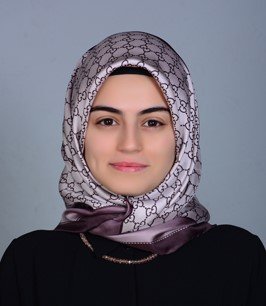
Serendi Hazir is a PhD student at Lancaster University. Her research focuses on the mental health and wellbeing of pupils as they transition from primary to secondary school. She has experience working with schools and young people and is interested in how social relationships and school environments can support their wellbeing.
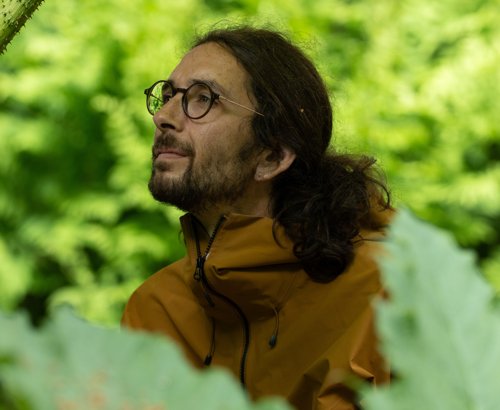
Dr Sam Moore is an infectious disease modeller at Lancaster University. During COVID-19, his modelling informed UK vaccine prioritisation and lockdown exit strategies, and he is interested in modelling the role of school-based interventions in epidemic contexts.

Dr Jonathan Read is an epidemiologist at Lancaster University specialising in contact networks. He has led school-based research into social mixing patterns in the US, using both contact surveys and proximity sensors.
This study has been reviewed and approved by the Faculty of Health and Medicine Research Ethics Committee at Lancaster University.
Questions?
Whether you're a school considering taking part, a parent, or a teacher, we'd love to hear from you. See the Get in Touch page.